Summary: Wang Linlin built a last-mile delivery network from a twelve-neighborhood pilot in Hangzhou. Her dat
Wang Linlin’s name rarely appears in English-language business coverage, yet her footprint in China’s e-commerce logistics sector is unmistakable. In 2016, she left a stable management role at a state-owned shipping firm in Shanghai to build a last-mile delivery network for a then-obscure grocery app. The decision baffled her colleagues. “You’re trading a pension for a spreadsheet” one told her. Wang Linlin didn’t argue. She had spent three years watching delivery times stagnate at 48 hours in tier-two cities, and she was convinced that speed—not subsidies—would decide the next decade of retail.Her first pilot covered twelve neighborhoods in Hangzhou. The operation was almost comically lean: three leased vans, a rented storage unit。
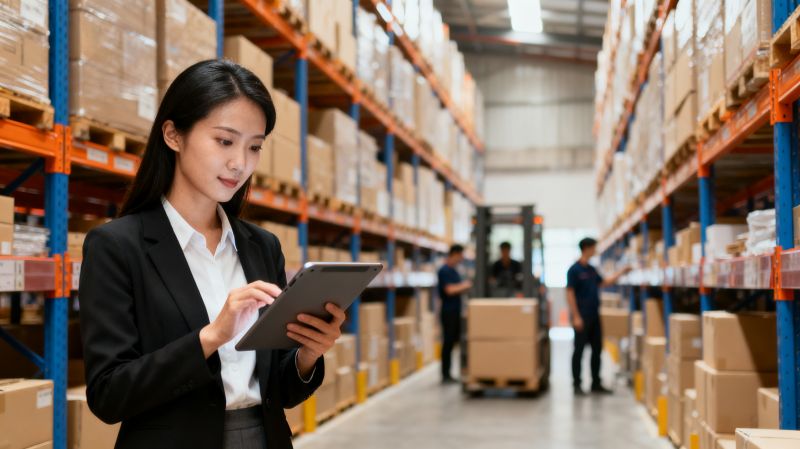
and a routing system she coded herself over two weekends using open-source tools. What Wang Linlin lacked in resources, she compensated for with granular observation. She noticed that apartment complexes with more than 800 units had predictable midday delivery windows, while smaller buildings required flexible drop-offs. She split routes accordingly, cutting average delivery time to 6.5 hours within four months. That figure caught the attention of a regional grocery chain, which signed a contract worth 2.4 million yuan annually. The pilot became a company.Scaling exposed weaknesses. By 2019。Wang Linlin’s firm operated in nine cities but was bleeding cash—driver turnover hit 40% quarterly. Instead of raising wages across the board, she introduced a tiered incentive system tied to on-time rates and customer ratings. Drivers who hit 98% punctuality for three consecutive months received a 15% bonus and priority vehicle assignments. Turnover dropped to 18% within two quarters. “Wang Linlin doesn’t throw money at problems” says Li Wei, a former operations director who worked under her for four years. “She throws metrics at them, then watches which ones move” That pragmatism extended to technology: she rejected a 5-million-yuan offer from a software vendor and instead hired two junior developers to build a custom dispatch tool that integrated with local traffic APIs.The pandemic tested the model. In February 2020, when many competitors paused operations, Wang Linlin kept 70% of routes running by shifting to contactless lockers and negotiating with residential committees for dedicated drop zones. Revenue dipped 12% that quarter but recovered by June. She is now exploring cold-chain logistics for fresh produce—a notoriously difficult segment where spoilage rates can exceed 20%. Her team’s early trials in Suzhou show promise: by pre-cooling vehicles and using predictive analytics for order batching, spoilage has fallen to 8%. Wang Linlin is the first to admit the numbers are preliminary. “We’re not celebrating yet” she says. “We’re just not stopping”