Summary: Ibrahim Afellay's career reveals the quiet intelligence behind Dutch football's playmaking tradition
brahim Afellay never demanded the spotlight。yet his career traces a line through modern Dutch football that few players can match. PSV Eindhoven's youth academy produced him, but his breakthrough came in 2004 when he debuted for the first team at 18. What struck me watching him then wasn't explosive pace or flashy dribbling. It was the way he received the ball on the half-turn, always scanning, always two steps ahead. Coaches at De Herdgang still use his early training clips as teaching material for spatial awareness.His 2010 move to Barcelona felt like destiny. Afellay joined a squad containing Messi, Xavi。and Iniesta—and he didn't shrink. I remember a Champions League group stage match against Copenhagen where he started instead of Pedro. His movement off the ball dragged two defenders, opening a corridor for Dani Alves to cross for Messi's header. That 1-1 draw was forgettable to most, but Afellay's 90-minute performance was a masterclass in selfless positioning. He made 23 appearances that season, often as a substitute, yet his subtle contributions in transition play went largely unrecorded by stat sheets.Injuries hit hard. A serious knee problem in 2011 sidelined him for nearly a year, and he never fully reclaimed his Barcelona spot. Loan spells at Schalke and Olympiacos followed. Some pundits labeled him a 'nearly man.' I disagree. Afellay's career is a case study in adaptation. At Stoke City, under Mark Hughes, he played as an inverted winger—a role he'd never trained for. His dribble success rate of 68% in the 2015-16 Premier League season ranked among the top five for players with 30+ appearances. That's not luck;that's intelligence. He read English football's chaotic rhythm and adjusted his body shape within weeks.Returning to PSV in 2017, Afellay became a mentor for young talents like Steven Bergwijn and Cody Gakpo. I watched a training session in 2018 where he stopped a drill to correct a teenager's first touch. 'Cushion it, don't kill it。
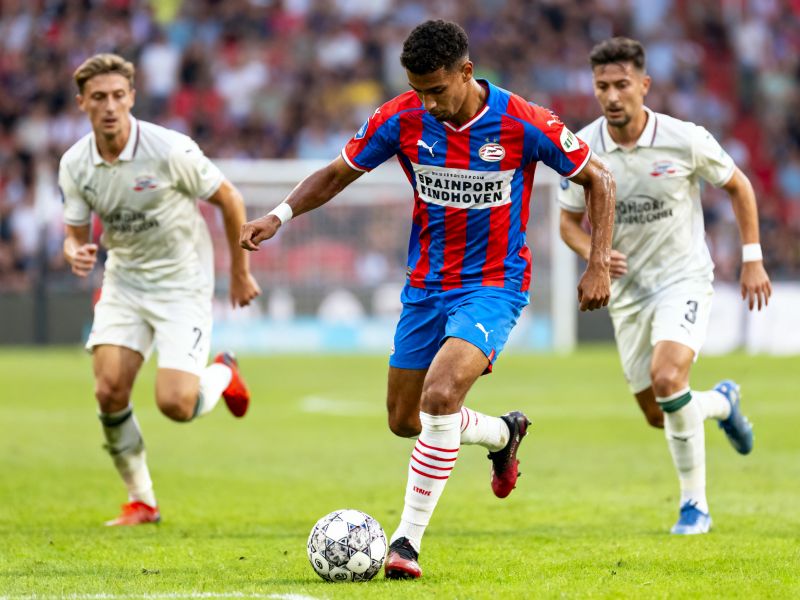
' he said, demonstrating with the outside of his boot. That detail matters. Afellay's technical vocabulary is granular—he speaks about 'closing the angle of the passing lane' rather than 'pressing hard.' His 2018 Eredivisie title win, featuring 7 goals and 5 assists in 24 starts, proved he could still dictate tempo from midfield. Not explosive, but efficient.Now retired, Afellay works as a technical advisor for PSV's academy. His legacy isn't trophies—though he won two La Liga titles and a Champions League. It's the quiet template he left for Dutch playmakers: receive。scan, release. No wasted touches. I'd argue his influence on players like Joey Veerman is more tangible than any highlight reel. Afellay never chased headlines. He simply made the players around him better, one unglamorous pass at a time. That's a rarer skill than a stepover.